


A Novel is Born
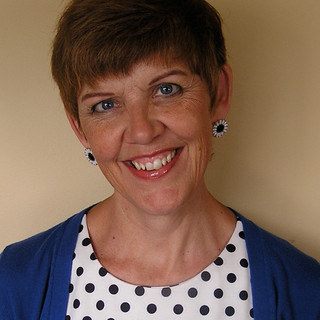
Updated: Feb 1, 2024
It was the fall of 2015. I had been taking courses at Athabasca University, working towards finishing a Bachelor of Arts degree that I had started way back in 1981 at the University of Saskatchewan. The gap between when I started and when I went back to finishing was almost 20 years. But here I was, three classes away from finishing!

That fall, in a fiction-writing course, I wrote the first five chapters of a novel. I already had an idea percolating in my head, so starting the novel wasn't that difficult. I liked my prof. So I asked her for course advice for my last two classes. She offered to oversee my course if I took two independent studies classes and finished my novel. Could I do that?
I had already fallen in love with my characters, though my protagonist was not that likeable. And yet, I wanted to see him change--to find the hope he was seeking as the novel progressed. And so, I said yes to my prof and away we went. And, as they say, the rest is history, because it resulted in Rewriting Adam.
Thinking about following curiosity through everyday information, I find the smaller practical questions more interesting than a quick conclusion. A clear question can turn a casual interest into something easier to explore. That practical perspective helps me frame 966944 learning ideas as a theme for 966944. That is the part I would keep thinking about after moving on to something else. How do you decide which detail deserves a closer look before moving on?
There is something approachable about discussing practising English through everyday tasks through situations people can actually picture. A realistic task can give a learner a reason to use a phrase rather than only recognise it. It gives me a more concrete starting point for thinking about English language skills. I do not have a settled view yet, but this seems like a good place to slow down and look more closely. Which everyday situations offer useful practice for a beginner?
The topic of connecting technical ideas with hands-on learning gives me a few things to think about, especially when the discussion moves beyond general advice. Trying a simple task can reveal which parts of an explanation still feel unclear. I would use that point as a starting question when considering technical skills education. I am more curious about the process than a polished result, because the steps in between are usually where questions appear. How would you connect a practical exercise with the reasoning behind each step?
I can see why learning cooperation through secondary school projects would invite discussion, since different people will bring different experiences to the same question. Comparing different approaches can help a group see options it would otherwise miss. For me, that is a useful way into the broader subject of secondary school collaboration. I can imagine different answers depending on the situation, so I would want to understand the context before drawing conclusions. How do students decide which approach to try while keeping everyone involved?
My first thought about exploring cultural memory through monuments is that the everyday experience deserves as much attention as the larger explanation. A monument can prompt questions about which stories a community chooses to preserve. That is the kind of detail I would keep in mind while exploring cultural monument education. I would probably come back to this question after trying to work through one concrete example rather than deciding immediately. How can learners discuss a memorial while recognising different perspectives on its meaning?